The 6-Month Dental Kit: Does the Math Actually Work?
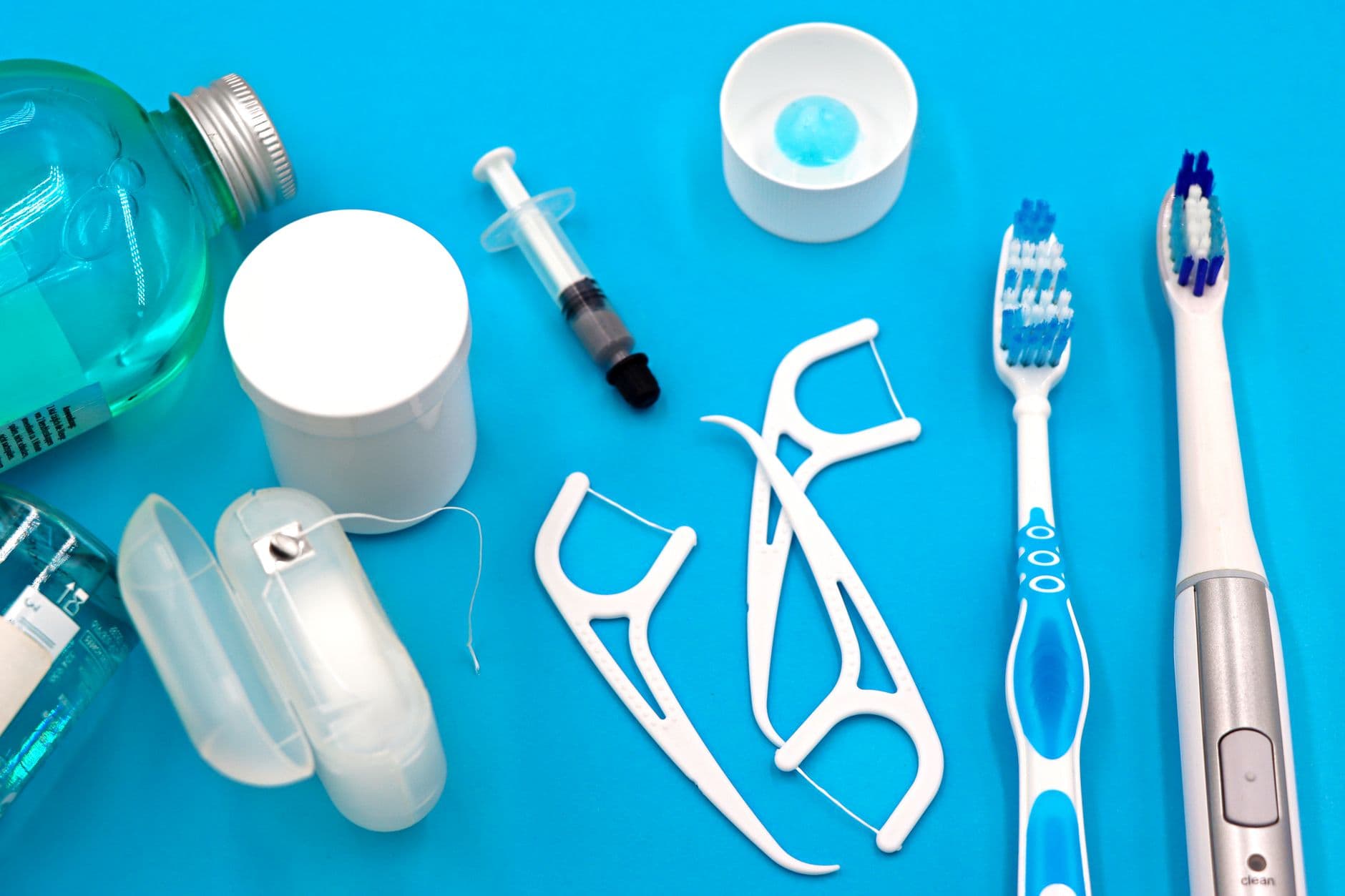
The ADA recommends replacing your toothbrush every three months. That's four new brushes a year, plus toothpaste that runs out on its own schedule, plus floss, plus whatever else your dentist gives you a look about. If you're buying each of those things separately, you're probably doing it wrong — not morally, just logistically and financially.
The 6-month dental kit is a pretty simple idea: bundle everything you need for half a year into one purchase. But simple ideas deserve honest scrutiny. So here's the actual math, the trade-offs, and a few things most kit sellers won't tell you.
What a 6-Month Kit Typically Contains
Most kits aimed at a single adult cover the basics: two toothbrushes (swapping at the 3-month mark), toothpaste, floss, and sometimes a tongue scraper or travel case. Some include toothpaste tablets instead of a tube. The exact contents vary by brand, but the category is fairly standard.
For comparison purposes, let's build a typical piecemeal cart:
- 2 manual toothbrushes at roughly $3–5 each (mid-range, not the sad bargain-bin ones)
- 2–3 tubes of toothpaste at $4–6 each
- 2 packs of floss at $3–4 each
Conservative total: $22–$36 for six months of the basics, before tax, before shipping, and before the inevitable impulse add-ons you throw in the cart because you're already there.
A 6-month dental kit from a mid-tier eco brand typically runs $25–$40 depending on what's included and whether it's a one-time purchase or a subscription with a discount baked in.
So on raw price alone? It's basically a wash — or the kit comes in slightly cheaper. But that's not the whole picture.
The Hidden Costs of Buying Piecemeal
The sticker price gap is narrow, but a few factors tip the math further toward a kit.
Shipping. If you're buying each item separately online, you're either paying multiple shipping fees or gaming free-shipping minimums by buying more than you need. Neither is efficient. One kit ships once.
Time and friction. This sounds soft, but research in behavioral economics suggests that the more decisions we have to make about routine purchases, the more likely we are to make suboptimal ones — like grabbing a plastic-packaged three-pack at the drugstore because you forgot to reorder. Decision fatigue is real, and your toothbrush situation shouldn't contribute to it.
Waste. The EPA estimates that over a billion plastic toothbrushes end up in U.S. landfills every year. A consolidated kit, especially one with minimal packaging and compostable or recyclable components, typically generates less packaging waste than four or five separate purchases shipped in individual boxes over the same period.
Where the Kit Model Can Fall Short
Fair is fair. There are scenarios where piecemeal actually makes more sense.
You already have strong brand loyalty. If you've been using the same prescription toothpaste for years or you have a specific floss your gums respond well to, swapping those out for whatever a kit includes could be a bad trade. Kits are bundles; bundles mean some compromise on individual items.
You share a household. A single-person kit assumes a single-person bathroom. If two or more people are sharing supplies, the math gets messier fast. Some brands offer multi-person kits, but the per-person value varies a lot.
You don't use everything at the same rate. Toothpaste runs out faster than floss for most people. A kit calibrated to one timeline might leave you with four feet of floss and an empty paste tube, or vice versa. Pay attention to what a kit assumes about your usage habits.
You're a manual vs. electric switcher. Kits almost exclusively cater to manual brush users. If you alternate or are considering switching, a kit locks you into a format you may not stick with.
The Eco Angle Isn't Just Marketing
This is worth separating from the sales pitch, because it gets muddled. A bamboo toothbrush isn't automatically better for the planet if it arrives in three layers of plastic wrap and a foam insert. The environmental benefit of a kit comes from consolidation of packaging and, when the kit is designed well, from the materials themselves.
Research published in environmental science journals suggests that lifecycle emissions from product packaging and last-mile delivery are significant contributors to household carbon footprints, and that consolidating shipments meaningfully reduces both. A kit that ships quarterly or biannually instead of triggering four or five individual orders is doing something real, not just cosmetic.
The materials piece matters too. Bamboo handles, compostable floss, and toothpaste tablets in glass jars aren't just aesthetic choices. They're attempting to address the fact that most conventional oral care products are essentially unrecyclable due to mixed materials. Whether a specific product succeeds at that is worth researching before you buy, but the category is at least pointed in the right direction.
A Rough Framework for Deciding
Here's a quick way to think through whether a 6-month kit makes sense for you:
- **Are you happy with your current products?** If yes, a kit might disrupt what's working. If you're indifferent or actively dissatisfied, it's worth trying.
- **Do you forget to reorder regularly?** If your toothbrush is six months old right now because you kept meaning to grab a new one, a kit with automatic restocking solves a real problem.
- **Are you trying to reduce bathroom waste?** If that's a priority, a well-designed kit from a brand that's transparent about its packaging and materials is one of the higher-leverage swaps you can make in a morning routine.
- **What's the per-unit cost comparison?** Do the math for your specific situation. Take the kit price, divide by the number of months, and compare that to what you actually spend monthly on the same items. Don't estimate — check your last few receipts if you can.
At Brush Club, we've thought a lot about how to make a kit that doesn't just look good on a landing page but actually functions for a real person's bathroom. That means being honest that a kit isn't for everyone, and that the value is in the combination of convenience, reduced waste, and competitive pricing, not any one of those things alone.
If you want to see how the numbers shake out with a specific kit, our shop has the breakdown by item so you can compare directly.
The Bottom Line
The math on a 6-month dental kit is genuinely competitive with buying piecemeal, and in most real-world scenarios, it comes out slightly ahead once you factor in shipping, convenience, and packaging waste. The bigger question is whether the specific kit you're considering contains products that work for your mouth and habits.
Don't buy a kit because the concept sounds efficient. Buy one because you've checked what's in it, confirmed the materials meet your standards, and decided the trade-off on any items you're less familiar with is worth the overall value. That's just good consumer logic, and it applies whether you're buying dental supplies or anything else.
Your dentist still wants you flossing daily. The kit can't fix that part.
Photo by Marta Branco on Pexels.
Sources
Related Articles
Ready to Make a Difference?
Start your sustainable oral care journey with our eco-friendly dental kit. Reduce plastic waste while maintaining excellent dental health.