Your Toothbrush Is Probably Shedding Microplastics Into Your Mouth
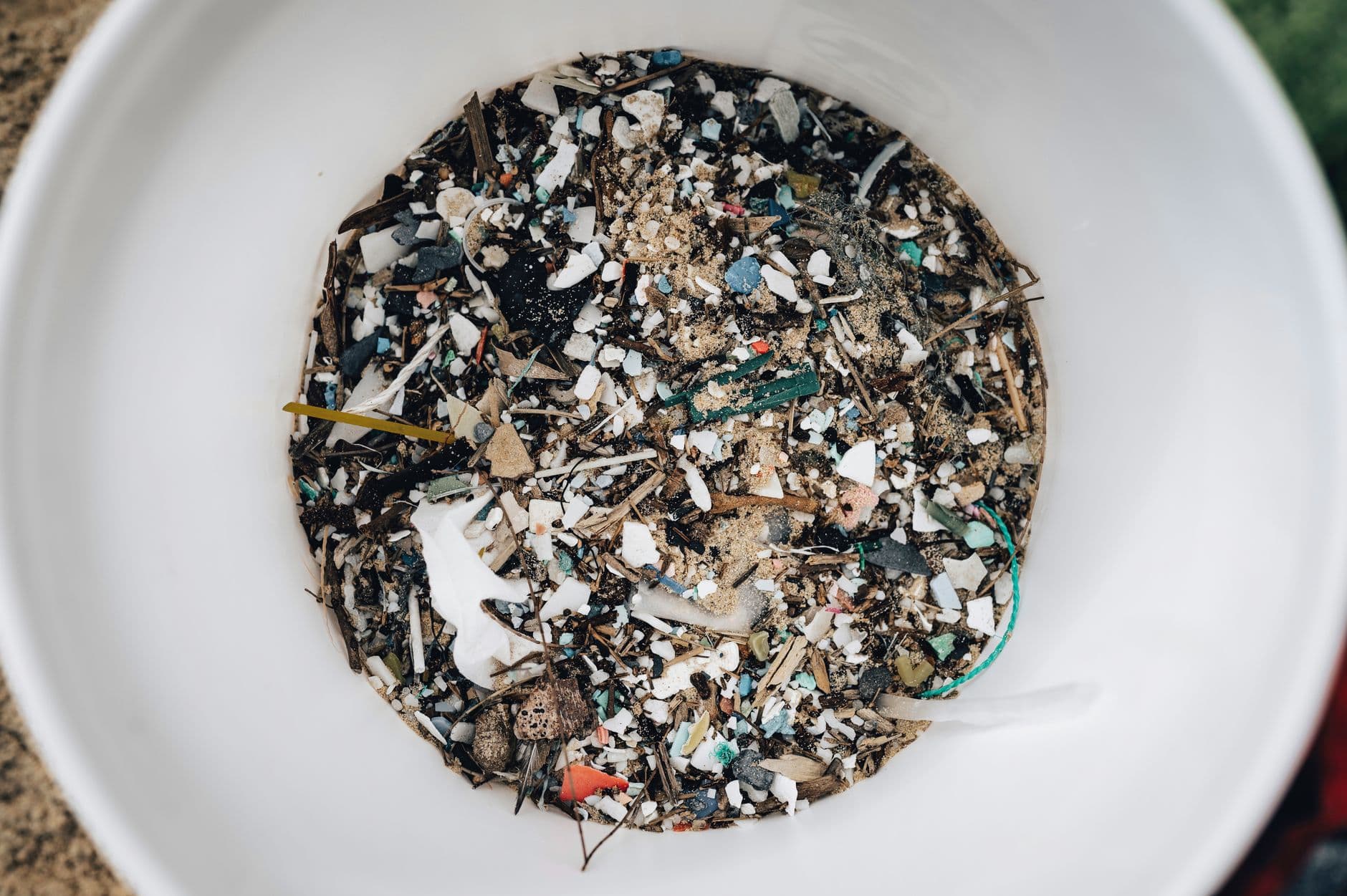
Most people thinking about microplastics picture plastic bags floating in the ocean or synthetic fibers washing off a fleece jacket. Fair enough. But there's a source that almost nobody talks about, and it's sitting in a cup on your bathroom sink right now. Your dental routine, the thing a dentist-approved portion of the population does twice a day, is quietly delivering microplastics straight to your mouth, your gut, and eventually the water supply.
That's not a fringe claim. It's where the science is pointing, and it's worth understanding exactly how it happens.
The Toothbrush Problem Nobody Mentions
A standard plastic toothbrush is made from nylon bristles set into a polypropylene or ABS plastic handle. Both materials are petroleum-derived plastics. The bristles are the bigger issue.
Research suggests that nylon bristles shed microparticles during normal brushing. A 2021 study published in the journal Environmental Science & Technology found that toothbrushes release plastic particles with every use, and that worn bristles shed significantly more than new ones. The ADA recommends replacing your toothbrush every three to four months, which means most people are brushing with increasingly degraded nylon for weeks before they swap it out.
Those particles don't just rinse down the sink. Some get swallowed. The gastrointestinal tract doesn't break down microplastics, and research from institutions including the EPA has confirmed that microplastics accumulate in human tissue. We're still learning what that means for long-term health, but "unclear" is not the same as "fine."
Dental Floss Is a Stealth Offender
Conventional dental floss is almost always made from nylon, sometimes coated with PTFE (that's polytetrafluoroethylene, the same chemical family as Teflon). PTFE-coated flosses are marketed as smooth and easy to use, and they are. They're also coated in a fluorinated polymer that research suggests can break down into per- and polyfluoroalkyl substances, better known as PFAS.
PFAS have been flagged by the EPA as emerging contaminants of concern, with potential links to immune disruption and other health effects at even low exposure levels. A study from Harvard's Silent Spring Institute found PFAS in several major floss brands, and found that women who used certain types of coated floss had measurably higher PFAS levels in their blood.
Every time you floss, you're dragging that coating between your teeth, across your gums, and through contact with saliva. Whether meaningful amounts are absorbed is still being studied, but the exposure pathway is real.
Toothpaste Isn't Off the Hook Either
For years, many conventional toothpastes contained polyethylene microbeads for texture and mild abrasion. The US banned them in rinse-off cosmetics in 2015, and most major brands reformulated. But microbeads in toothpaste specifically existed in a regulatory gray area for a while, and some products lingered on shelves longer than they should have.
That particular problem is mostly resolved now. The subtler issue is plastic packaging. Toothpaste tubes are typically made from multi-layer laminate plastic that can't be recycled in most municipal programs. The EPA estimates that Americans throw away about 400 million toothpaste tubes per year. Those tubes break down over time in landfills and waterways, fragmenting into the same microplastics we're trying to avoid.
The product itself may be clean, but the container is still part of the plastic lifecycle.
The Sink Is Not a Safe Endpoint
Here's the part that tends to surprise people: even the microplastics you spit out don't just disappear. They go down the drain, into wastewater treatment systems, and research suggests that conventional treatment plants are not fully equipped to capture particles at the micro and nano scale. A meaningful percentage passes through and enters rivers, coastal water, and eventually the food chain.
The EPA has acknowledged this gap in wastewater treatment capacity, and several peer-reviewed studies have found microplastic concentrations downstream of treatment facilities. You're not just exposing yourself. Every rinse is a small contribution to a larger accumulation problem.
What Actually Helps
Switching your dental products is one of the more practical swaps you can make, because the category is full of legitimate alternatives now. Not greenwashed "eco" branding slapped on the same old nylon and plastic, but actual material changes.
Bamboo toothbrushes with plant-based or boar-bristle options sidestep the nylon shedding issue at the handle level. Bamboo is fast-growing, biodegradable, and doesn't require fossil fuel extraction to produce. The bristles remain the trickier part: truly plastic-free bristles that perform well are harder to find, but they exist.
For floss, silk or plant-fiber options are available and don't carry the PFAS concerns of PTFE coatings. They feel different than what most people are used to, but different isn't worse once you adjust.
Toothpaste tablets and powders eliminate the laminate tube problem entirely. Many come in glass jars or compostable packaging, and formulations have improved considerably over the past few years. The ADA seal of acceptance is available for fluoride tablet products, so you don't have to sacrifice efficacy to get rid of the tube.
At Brush Club, this is basically the whole reason the brand exists: dental care that doesn't quietly undermine the things you're trying to protect. You can browse what we carry at /shop if you want a starting point.
The Frequency Factor Makes This Worth Taking Seriously
Here's why dental products deserve more attention than, say, swapping your plastic straws. You use these products twice a day, every day, for your entire life. That's roughly 700 exposures per year. At that frequency, even small per-use exposure adds up in a way that a single plastic straw or a plastic bag simply doesn't.
The research on microplastic health effects is still developing. We don't have definitive answers on what chronic low-level exposure does to human tissue over decades. But the precautionary logic is pretty clear: if an alternative exists that works just as well and removes a known source of exposure, using it is a reasonable choice.
Dental products have stayed under the radar partly because they feel clinical and therefore trustworthy, and partly because the plastic in them is functional rather than decorative. But functional plastic still sheds. It still persists. And your mouth is not a great place to be introducing particles that your body can't process.
The bathroom is one of the easier rooms to clean up. The products are small, the swaps are increasingly affordable, and the category has genuinely improved. That's not nothing.
Photo by Alfo Medeiros on Pexels.
Sources
Related Articles
Ready to Make a Difference?
Start your sustainable oral care journey with our eco-friendly dental kit. Reduce plastic waste while maintaining excellent dental health.