Natural Toothpaste and Bamboo Brush: The Combo Guide That Actually Makes Sense
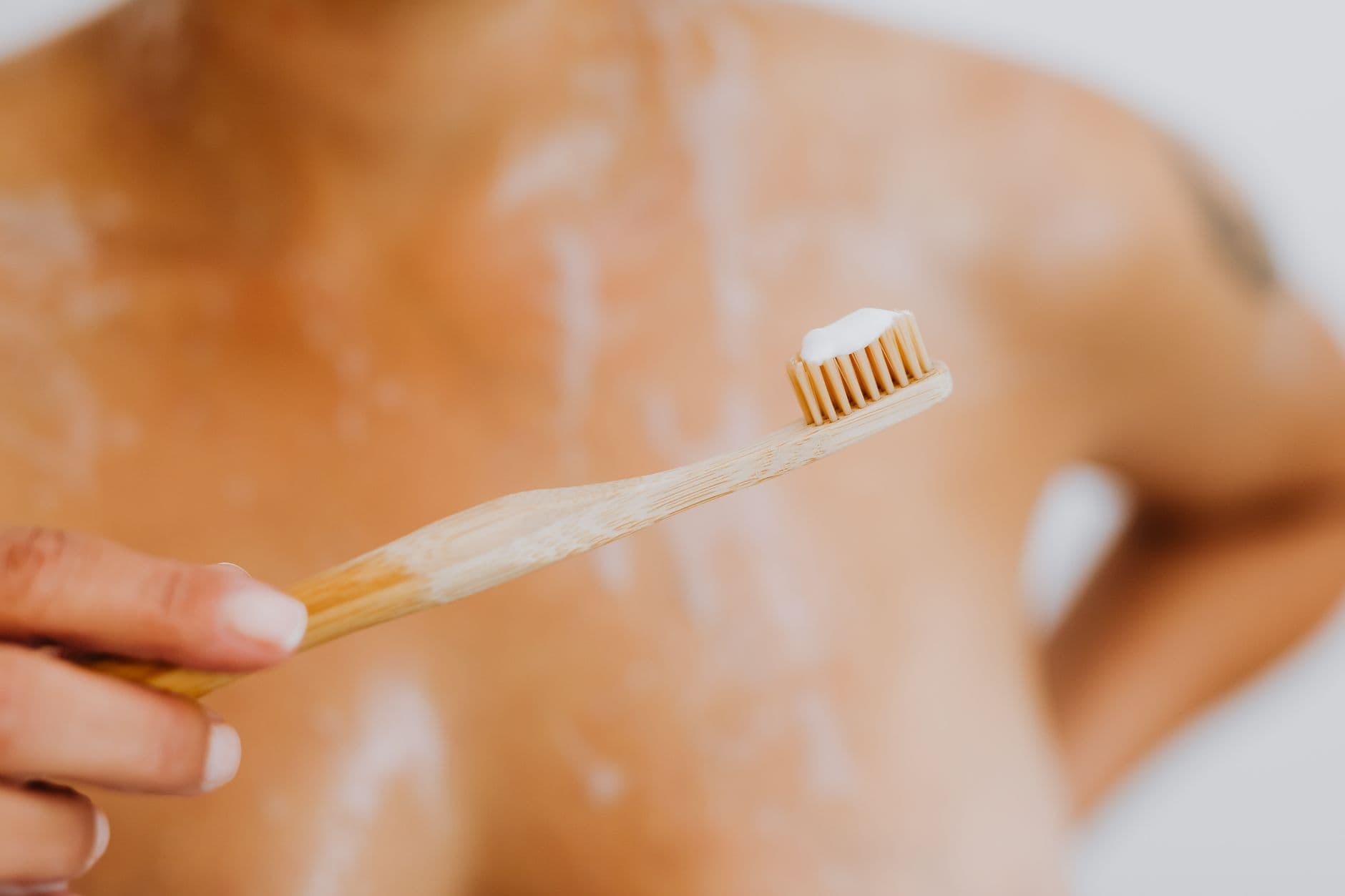
Switching to a bamboo toothbrush is easy. Switching to natural toothpaste is easy. Doing both at the same time and actually understanding how they work together? That's where most people just wing it and hope for the best. This guide is the one I wish had existed when I made the swap.
Why the Pairing Actually Matters
Most oral care advice treats your toothbrush and toothpaste as separate decisions, but they're not. The bristle material, the handle porosity, the abrasiveness of your paste, the pH of your formula — all of it interacts. A conventional whitening toothpaste with a silica-heavy formula, for example, can be rougher on softer natural bristles over time. And some natural pastes are thick enough that they trap between densely packed bristles and don't rinse clean.
The ADA recommends brushing for two minutes twice a day regardless of what's in your tube, but what's in your tube does affect how much mechanical work your brush has to do. Higher-abrasion pastes rely less on bristle action; lower-abrasion natural formulas often ask more of your brushing technique. Understanding that dynamic changes how you shop for both.
What's Actually in Natural Toothpaste
The term "natural toothpaste" covers a wide range of formulas, and not all of them are equivalent. Here's a quick breakdown of the main ingredient categories you'll encounter:
Hydroxyapatite (HAp): A calcium phosphate mineral that makes up the bulk of tooth enamel. Research suggests nano-hydroxyapatite can remineralize early enamel lesions similarly to fluoride, and it's been used in Japanese dentistry for decades. It's now showing up in a lot of premium natural formulas.
Fluoride (yes, some natural brands use it): Fluoride is a naturally occurring mineral. Some natural toothpaste brands include it; others don't. The ADA is clear that fluoride reduces cavities, so if you're going fluoride-free, it's worth talking to your dentist, especially if you have kids or a history of decay.
Baking soda: A mild abrasive and pH neutralizer. Research suggests it's effective at plaque removal and can modestly help with surface stains. It's gentle enough for daily use on natural bristles.
Activated charcoal: Trendy, and worth being careful with. Some charcoal formulas have a higher RDA (relative dentin abrasivity) score than you'd want for daily use. The ADA has flagged concerns about charcoal toothpastes lacking evidence for whitening and potentially wearing enamel. If you use one, treat it as an occasional thing.
Clay (kaolin or bentonite): A low-abrasion cleansing agent with natural mineral content. Generally gentle. Works well with bamboo bristles.
Essential oils (tea tree, peppermint, spearmint): Mostly antimicrobial and flavoring purposes. Some research suggests tea tree oil has antibacterial properties relevant to oral health, though concentrations in toothpaste are typically low.
Choosing the Right Bamboo Brush for Your Paste
Bamboo handles are non-negotiable from a sustainability standpoint — bamboo is one of the fastest-regenerating plants on earth, and conventional plastic toothbrush handles take over 400 years to break down according to EPA waste data. But bristles are where the real decision happens.
Most bamboo toothbrushes use nylon bristles — either standard nylon-6 or the slightly softer nylon-4. A small number use plant-based or biodegradable bristle alternatives, though most of those still contain a percentage of nylon to maintain functional durability. Here's how bristle choice maps to natural paste types:
- **Soft nylon bristles + baking soda or HAp paste:** Great pairing. The paste is doing light abrasive work; the bristles provide effective mechanical action without being harsh on enamel or gums.
- **Medium bristles + clay-based paste:** Also solid. Clay is gentle enough that medium bristles won't cause gum trauma for most adults. That said, the ADA recommends soft bristles for most people across the board.
- **Any bristle + high-abrasion charcoal paste (daily use):** Worth rethinking. You're adding mechanical abrasion to chemical abrasion, which is more than your enamel needs every day.
If you want a longer-lasting bristle, store your brush upright and let it air-dry between uses. Bamboo handles don't love sitting in moisture, and neither do bristles that stay damp — that's true of any brush, not just bamboo.
Technique Adjustments Worth Making
Natural pastes, particularly lower-foam formulas (ones without SLS — sodium lauryl sulfate), feel different. A lot of people interpret "less foam" as "less clean," which isn't accurate. Foam doesn't clean your teeth; mechanical action does. The EPA and environmental health researchers have noted that SLS, while effective, is a known skin irritant for some people and washes into waterways in large volumes given how many people brush twice daily.
With a low-foam paste, a few technique tweaks help:
- Use a small amount — a pea-sized portion is genuinely enough, maybe a little more for a bamboo brush since the bristles can absorb some paste before it reaches your teeth.
- Go slower. Without the foaming action signaling "done," you actually brush more mindfully.
- Don't rinse immediately. Letting the paste sit on your teeth for 30 to 60 seconds gives any active remineralizing agents (HAp or fluoride) more contact time.
Reading Labels Without Getting Tricked
A few things I've learned to watch for when buying natural toothpaste:
Check the RDA score if you can find it. RDA measures abrasiveness. The ADA considers anything under 250 safe for daily use, but most dentists prefer under 70 for everyday brushing. A lot of brands don't publish their RDA, which is itself a yellow flag.
"Natural" doesn't mean safe for kids. Some herbal ingredients and essential oil concentrations aren't appropriate for young children. If it's not explicitly labeled for kids, assume it's not.
Whitening claims in natural pastes usually come from mild abrasives or optical brighteners — not from any bleaching chemistry. Managing expectations here saves frustration.
Expiration dates matter more with natural pastes because they typically lack the preservative load of conventional formulas. A separated, off-smelling paste isn't doing your mouth any favors.
Building the Routine
Here's how a genuinely functional eco-friendly brushing routine looks in practice: soft bamboo brush, replaced every three months (or sooner if the bristles splay), paired with a hydroxyapatite or fluoride-inclusive natural paste for daily use. If you want to use a charcoal or high-abrasion formula, reserve it for once or twice a week at most.
At Brush Club, we put both pieces of this together — bamboo brushes and thoughtfully sourced paste options — specifically so people don't have to research the pairing themselves. You can browse what we carry at /shop.
If you manage a hotel, yoga studio, or wellness brand and want to offer this kind of kit to your guests or clients, our wholesale program is worth a look.
One Last Thing
The swap to natural oral care doesn't need to happen all at once. If you're mid-tube on your conventional toothpaste, finish it. Start with the bamboo brush, get comfortable with the technique, then transition your paste when you're ready. The combo works better when you actually understand each piece, and now you do.
Photo by www.kaboompics.com on Pexels.
Sources
Related Articles
Ready to Make a Difference?
Start your sustainable oral care journey with our eco-friendly dental kit. Reduce plastic waste while maintaining excellent dental health.